
Everything About Residential Building Permits Guide
When you plan to build or renovate your home, understanding the process of obtaining a building permit is crucial. Building permits ensure your project meets safety standards and local regulations. They protect your investment and the community. I want to share everything you need to know about residential building permits to help you navigate this process smoothly.
Residential Building Permits Guide: What You Need to Know
A building permit is an official approval issued by your local government before construction begins. It confirms that your project complies with zoning laws, building codes, and safety regulations. Without a permit, you risk fines, delays, or even having to undo completed work.
Here’s what you should know about the permit process:
Why permits matter: They ensure your home is safe and built to code.
When to get a permit: Before starting any major construction or remodeling.
How to apply: Submit plans and documents to your local building department.
Inspection process: Officials inspect your work at various stages.
Final approval: You receive a certificate of occupancy or completion.
Getting a permit might seem like extra work, but it saves you headaches later. It also adds value to your home by proving the work was done correctly.

How to Apply for Residential Building Permits
Applying for a building permit involves several clear steps. Here’s a straightforward guide to help you through:
Prepare your plans: Have detailed drawings of your project ready. These should include dimensions, materials, and structural details.
Check local requirements: Visit your city or county building department website to understand specific rules.
Submit your application: Fill out the permit application form and submit it with your plans.
Pay fees: Permit fees vary based on project size and type.
Wait for review: The building department reviews your plans for compliance.
Schedule inspections: Once approved, schedule inspections at key points during construction.
Receive final approval: After passing all inspections, you get your final permit sign-off.
If you’re unsure about any step, ask your contractor or the building department for help. They want your project to succeed.
What Requires a Building Permit in Arkansas?
If you are building or remodeling in Arkansas, certain projects require permits. These include:
New home construction
Room additions or major remodels
Structural changes like removing walls or adding beams
Electrical, plumbing, or HVAC work
Decks, porches, and garages
Roofing and siding replacements in some cases
Minor repairs or cosmetic changes like painting usually do not need permits. However, it’s best to check with your local building office to be sure.
Following these rules helps keep your home safe and compliant with state laws.
Common Mistakes to Avoid When Getting Permits
Many homeowners make avoidable errors during the permit process. Here are some common pitfalls and how to avoid them:
Starting work without a permit: This can lead to fines and forced removal of work.
Incomplete applications: Submit all required documents to prevent delays.
Ignoring inspections: Schedule and pass all inspections to get final approval.
Hiring unlicensed contractors: Use licensed professionals familiar with local codes.
Assuming permits are not needed: Always verify with your local building department.
Avoiding these mistakes saves time, money, and stress.
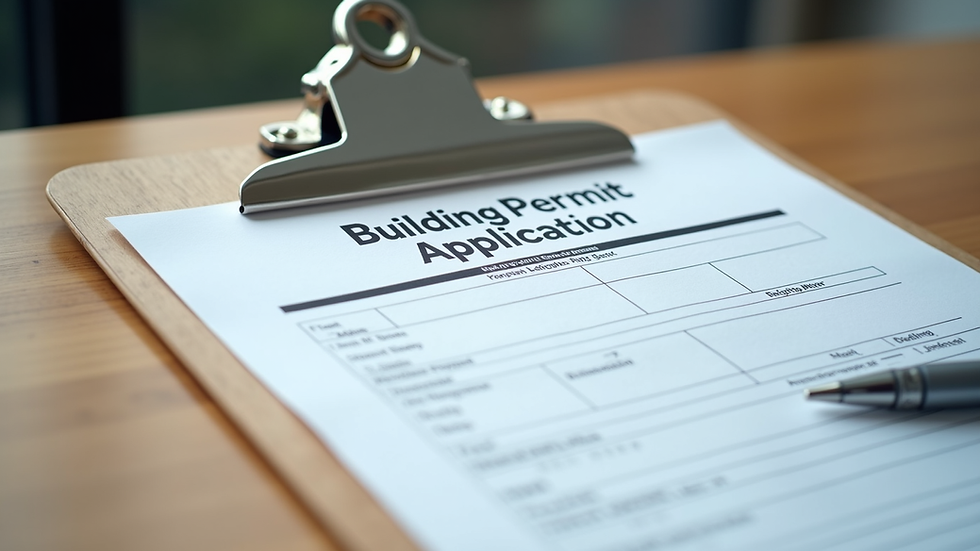
How Residential Building Permits Protect Your Investment
Obtaining residential building permits is more than a legal requirement. It protects your home and your investment in several ways:
Safety: Ensures construction meets fire, electrical, and structural safety standards.
Insurance: Many insurance policies require permits for coverage on new work.
Resale value: Proper permits prove your home improvements are legal and safe.
Avoiding legal issues: Prevents fines and legal complications from unpermitted work.
Quality assurance: Inspections verify that contractors follow best practices.
When you work with a trusted contractor, they handle the permit process for you. This gives you peace of mind and a quality finished product.
Moving Forward with Confidence
Understanding residential building permits helps you take control of your home projects. It ensures your work is safe, legal, and adds value. If you plan to build or remodel, start by contacting your local building department or a reputable contractor. They can guide you through the permit process and help you avoid common pitfalls.
At Coastline Construction Group, we are committed to helping families in Beaufort County, SC, create their ideal living spaces. We handle permits, inspections, and construction with care and professionalism. Reach out to us when you’re ready to start your next project. We look forward to working with you.
Thank you for reading. Here’s to building your dream home safely and confidently!


Comments