
Step-by-Step New Home Building Steps
- coastlineconstruct7
- Feb 23
- 3 min read
Building a new home is an exciting journey. It can also feel overwhelming if you don’t know what to expect. I want to walk you through the new home building steps so you feel confident and prepared. From the first idea to moving day, each phase has its own tasks and decisions. Understanding these steps helps you stay on track and avoid surprises.
Understanding the New Home Building Steps
The process starts with a clear plan. You need to decide on your budget, location, and the style of home you want. This early stage sets the foundation for everything that follows. You will work with architects, builders, and possibly designers to create blueprints that match your vision.
Once the plans are ready, you get permits and approvals from local authorities. This ensures your home meets all building codes and regulations. After that, the actual construction begins. Each step builds on the last, from laying the foundation to finishing the interiors.
Throughout the project, communication with your builder is key. Regular updates and site visits help you track progress and address any issues quickly. Staying involved makes the process smoother and more enjoyable.
What are the New Home Building Steps?
Here is a clear breakdown of the main stages you will encounter:
Planning and Design
This includes choosing your lot, designing the floor plan, and setting a budget. You may want to customize your home or select a pre-designed plan.
Permits and Approvals
Your builder will submit plans to the city or county for approval. This step can take time, so it’s important to start early.
Site Preparation and Foundation
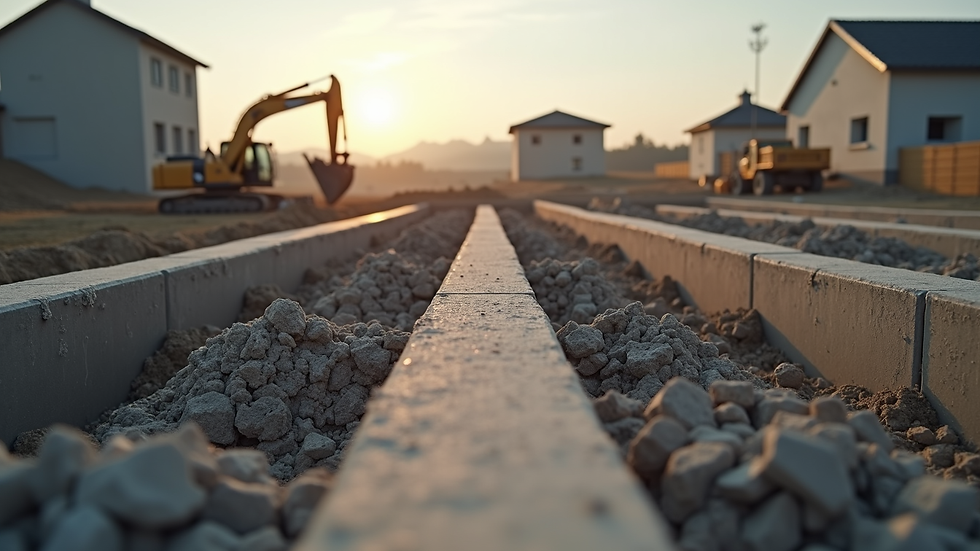
The land is cleared, leveled, and prepared. Then, the foundation is poured. This is a critical step that affects the stability of your home.
Framing
The skeleton of the house goes up. Walls, floors, and roof framing take shape.
Plumbing, Electrical, and HVAC
Rough-in work for plumbing, wiring, and heating/cooling systems happens before walls are closed.
Insulation and Drywall
Insulation is installed to improve energy efficiency. Drywall goes up to form the interior walls.
Interior Finishes
This includes painting, flooring, cabinets, countertops, and trim work.
Exterior Finishes
Siding, roofing, windows, and doors are installed to protect the home.
Final Mechanical Installations
Fixtures, appliances, and HVAC equipment are connected and tested.
10. Landscaping and Exterior Work
Driveways, walkways, and landscaping complete the outside look.
11. Final Inspection and Walkthrough
The home is inspected to ensure everything meets standards. You do a walkthrough to note any issues.
12. Move-In
Once all is approved, you get the keys and can move into your new home.
Detailed Look at Key Construction Phases
Some phases deserve extra attention because they impact your home’s quality and comfort.
Foundation and Framing
The foundation supports your entire home. It must be level and strong. Builders use concrete footings and slabs or crawl spaces depending on the design and soil conditions. Any mistake here can cause costly problems later.
Framing shapes the home’s structure. It defines room sizes and ceiling heights. Quality framing ensures your home is sturdy and energy-efficient. During framing, you can still make changes to window placements or room layouts if needed.
Mechanical Systems Installation
Plumbing, electrical, and HVAC systems are installed early inside the walls. This phase requires skilled tradespeople. Proper installation ensures safety and functionality. For example, placing outlets and switches where you need them improves daily living.
Interior and Exterior Finishes
Finishes bring your home to life. Choose paint colors, flooring materials, and cabinetry that fit your style. Exterior finishes protect your home from weather and add curb appeal. Pay attention to details like trim and gutters to avoid future maintenance issues.

Tips for a Smooth New Home Construction Process
Hire a trusted builder with experience in your area. Local knowledge helps with permits and weather considerations.
Set a realistic budget and include a contingency fund for unexpected costs.
Stay involved by visiting the site regularly and asking questions.
Communicate clearly with your builder about your expectations and any changes.
Review contracts carefully before signing to understand timelines and responsibilities.
Plan for delays like weather or supply shortages. Flexibility reduces stress.
Document everything including changes, payments, and communications.
Moving Forward with Confidence
Building a home is a big commitment, but knowing the steps makes it manageable. The new home construction process is a journey that turns your dreams into reality. With the right team and clear expectations, you can enjoy watching your ideal living space take shape.
If you are ready to start or want to learn more, reach out to professionals who understand the local market and building codes. Your new home awaits, and every step brings you closer to a place you will love.
Thank you for reading. I hope this guide helps you feel prepared and excited about your new home building steps. Here’s to creating a space that fits your life perfectly.


Comments